AI vs. Traditional Compliance Methods: What’s Best for Your Construction Project?
Understanding AI in Construction Compliance
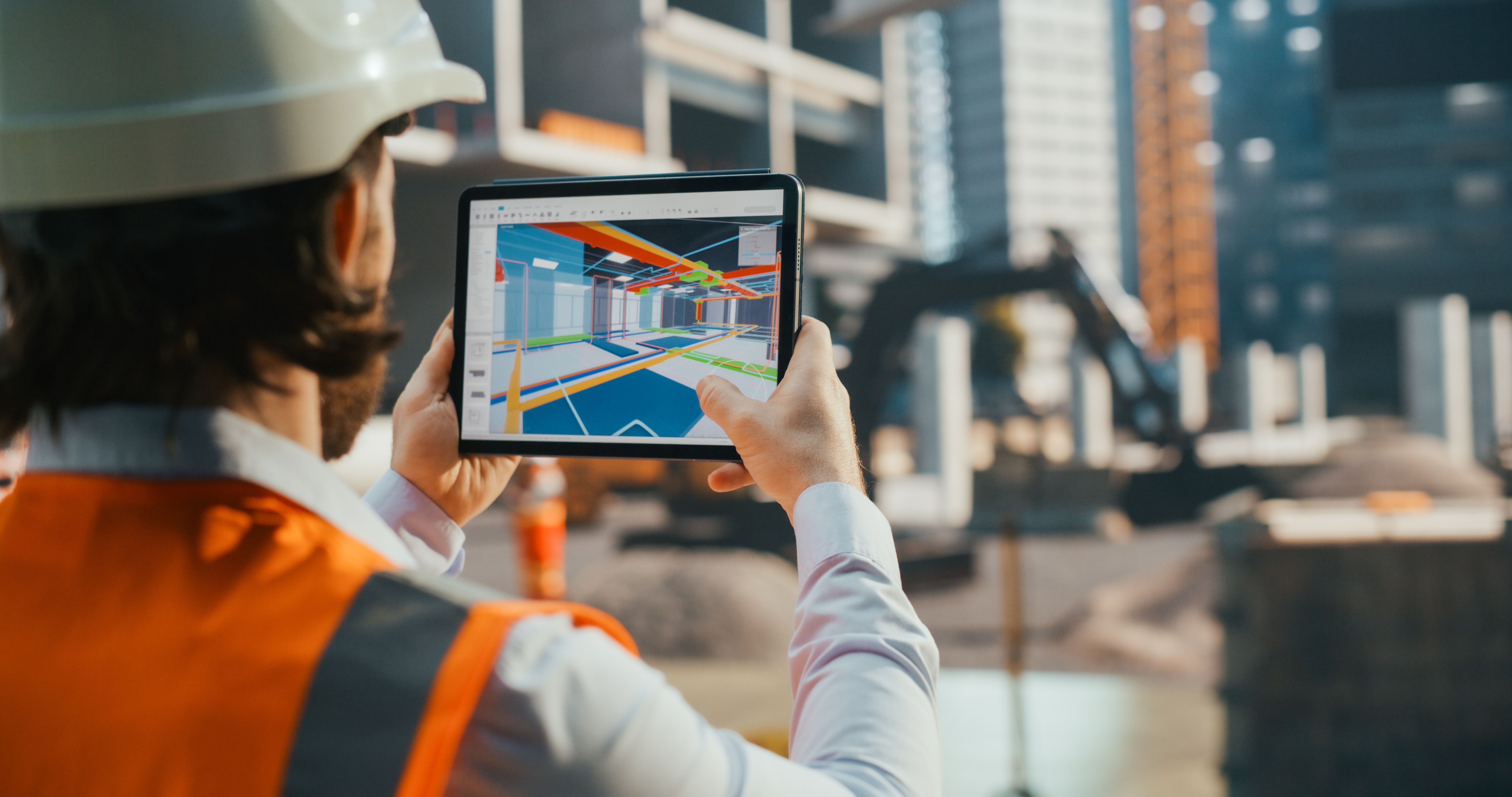
As the construction industry evolves, the integration of technology becomes increasingly pivotal. One of the most significant advancements in recent years is the use of Artificial Intelligence (AI) in managing compliance. AI offers a modern approach, potentially revolutionizing how construction projects adhere to regulations and standards.
AI systems can analyze vast amounts of data quickly, identifying potential compliance issues before they become critical. This proactive approach contrasts with traditional methods that often rely on manual checks and historical data.
Traditional Compliance Methods
Traditionally, compliance in construction involves manual processes, documentation, and regular inspections. While these methods have been effective for decades, they can be time-consuming and prone to human error. Regular audits and checklists are essential, but they often require significant human resources and can be slow to adapt to new regulations.
Despite these challenges, traditional methods have the advantage of human oversight, allowing for nuanced decision-making and a personal touch that AI might lack. The experience and intuition of compliance officers can be invaluable in complex situations.

Advantages of AI in Compliance
AI offers numerous benefits over traditional methods. Firstly, it can process information and detect compliance breaches in real-time. This immediate feedback allows construction teams to address issues quickly, reducing the risk of costly delays and penalties.
Moreover, AI systems can learn from historical data, improving their accuracy over time. This learning capability means that AI can adapt to new regulations more swiftly than traditional methods, providing a dynamic compliance strategy.
Challenges and Considerations
Despite its advantages, AI in construction compliance is not without challenges. Implementing AI systems requires an initial investment in technology and training. Furthermore, there is a need for ongoing maintenance and updates to ensure the AI remains effective.
Another consideration is the potential for over-reliance on technology. While AI can provide valuable insights, human judgment remains crucial, particularly in complex or ambiguous situations where nuanced interpretation is required.
Finding the Right Balance
For many construction projects, a hybrid approach may offer the best solution. Combining AI technology with traditional methods can leverage the strengths of both approaches. AI can handle routine checks and data analysis, while human oversight ensures that the project aligns with broader strategic goals and ethical considerations.
Ultimately, the choice between AI and traditional methods will depend on the specific needs and resources of the construction project. By carefully evaluating these options, project managers can ensure compliance while optimizing efficiency and innovation.